Posts Tagged ‘God’

New Gospel Principles Manual Teaches About Mormons

Tuesday, November 10th, 2009

The Mormons—a nickname for The Church of Jesus Christ of Latter-day Saints—have released a new edition of Gospel Principles. This lesson manual is designed for both classroom and personal study. Adults who are visiting a Mormongospel_principles Church in order to learn more about Mormons and those who are new members use this as a Sunday School textbook to learn the basics of Mormon beliefs before moving into the regular, more advanced Sunday School class. It can be read online at no cost and without registration, making it an inexpensive and organized way to learn the essential teachings of the Mormons as taught to their own members.

Read Gospel Principles.

The book takes you systematically through the teachings of the Mormons and through life as seen by God. Readers begin by learning about God in the first lesson. They learn who He is and what our relationship to Him is. In the second lesson, they learn where they were before they were born and what amazing experiences happened there. In the third lesson, students are introduced to Jesus Christ and learn how He became our Savior. Students learn that only through the atonement of Christ can one be saved.

There are forty-seven lessons in the book, ending with our return to God after our death. Each lesson includes scripture references from the Bible and from uniquely Mormon scriptures. The online version links to each of these scriptures, so students can read them for themselves. The Bible used is the King James Translation, which is a popular Bible translation used by many religions.

The book answers many of the questions seekers of truth have asked for centuries: Who am I? Where did I come from? Why am I here? Where am I going when I die and how do I get there? The book offers great spiritual truths, and also practical advice for making the most of the gift of life we’ve been given.

Lesson 11 is on the life of the Savior. In it, students are taught the following:

His Sacrifice Showed His Love for His Father and for Us

Jesus taught: “Greater love hath no man than this, that a man lay down his life for his friends. Ye are my friends, if ye do whatsoever I command you” (John 15:13–14). He willingly and humbly went through the sorrow in Gethsemane and the suffering on the cross so we could receive all the blessings of the plan of salvation. To receive these blessings, we must come unto Him, repent of our sins, and love Him with all our hearts. He said:

“And this is the gospel which I have given unto you—that I came into the world to do the will of my Father, because my Father sent me.

“And my Father sent me that I might be lifted up upon the cross; and after that I had been lifted up upon the cross, that I might draw all men unto me … that they may be judged according to their works. …

“For the works which ye have seen me do that shall ye also do. …

“Therefore, what manner of men ought ye to be? Verily I say unto you, even as I am” (3 Nephi 27:13–15, 21, 27; italics added).

• What are your feelings as you ponder the Savior’s sacrifice for you?

In chapter 34, students learn God gave them talents and expects him to use them to build up God’s kingdom and to enrich our lives. Blended with the spiritual teachings are practical information on how to accomplish this. Students learn how to turn weaknesses into talents and are given advice for developing new talents or improving the ones we already have.

A person who prayerfully and thoughtfully studies the book, whether in a class or in the privacy of his own home, will have a solid, basic understanding of the teachings of the Mormons. This is a reliable way to learn about a religion—to study what they teach their own members. After all, there is no point in teaching members false ideas, since people believe what they are taught. Once a reader has completed this book, he is ready to move on to more advanced materials found on the same website, or to simply improve his understanding of a religion found in his culture.

  • Share/Bookmark

Obedience to Laws Brings Freedom

Friday, August 28th, 2009

The Mormons are sometimes seen as having a great many restrictive rules. Mormons themselves know that within the rules are many opportunities for freedom, and that these rules actually make them freer than those with no rules.

An often-used example of freedom within structure is the sonnet. A sonnet is a poem with very strict rules.

3358

Shakespeare’s sonnets each contained fourteen lines. Every line had ten syllables written in iambic pentameter. Despite this very strict structure, Shakespeare managed to come up with 154 sonnets, all different, and many other people have also created sonnets based on this formula. The structure does not prevent people from being creative and writing something close to their heart. Rather, it actually frees the author. By having the structure in place, the poet is free to focus all his attention on the message and wording of the poem, which, after all, is the point of a poem.

In the same way, a Mormon is free to live a life of great variety without breaking any  commandments. Mormons are found in many different careers living very different lifestyles and fitting well into the good parts of their cultures and neighborhoods. They do have similarities, because they have certain values and practices in common, but there are thousands of life patterns within that structure.

The structure provided them by the teachings of the church allow them a greater freedom than is possible for most people. It is a great deal of work to have to decide for oneself what is right or wrong, studying it out, analyzing, and researching and then constantly making course corrections to fit into society’s changing norms. Mormons, although taught to study issues for themselves, know they can turn to God for a final answer, rather than constantly, throughout their lives, having to monitor their choices against the priorities of ever-changing fads and values found in the world.

Truth is unchanging, and once a Mormon has determined what is true, he is free to move on and focus on other aspects of his life, such as building a strong family and serving others. The priorities have been set and they can then structure their lives accordingly. This may be one reason Mormons are often in the forefront of many important movements and services. They have time to do them because they aren’t constantly rebuilding their foundations.

N. Eldon Tanner said:

We must know and understand the doctrines in order to be obedient, and we must be obedient in order to be free. This applies to the laws of God and the laws of the land. Too often we think of freedom only as the quality or state of being free from external restraint or compulsion, and not subject to the will of another, where we have the power of choice with every person free to “do his own thing,” regardless of its effect on him or others.

Brigham Young made this statement:

“There is not a man of us but what is willing to acknowledge at once that God demands strict obedience to his requirements. But in rendering that strict obedience, are we made slaves? No, it is the only way on the face of the earth for you and me to become free, and we shall become slaves of our own passions, and of the wicked one, … and servants to the devil, if we take any other course.” (Journal of Discourses, 18:246.)

N. Eldon Tanner, “‘Ye Shall Know the Truth’,” Ensign, May 1978, 14

A Mormon makes one important choice and that allows some other choices to fall into place. At some point in their lives, whether they are converts or have been attending church all their lives, they each take the time to decide for themselves that the church is true and that God has restored his gospel and provided a prophet to guide us. This is not blind faith, because they have gone to the only source of truth to learn whether or not they are following someone who is receiving his instructions from God. They need not trust the prophet’s word that he is the prophet until God has agreed. At any time in the future, a Mormon may pray about a specific doctrine he isn’t sure about, but he generally finds it unnecessary to pray about each teaching. This is much like when a child learns a hot stove will burn his hand if he touches it. He may test it out a few more times, but after that, he has no need to test it every time he encounters a hot stove, or even a different type of hot item. He simply acts according to the knowledge he has already received and takes precautions each time he encounters heat.

Sheri Dew, a prominent Mormon, said:

I personally know tens of thousands of youth and young adults who are living morally clean lives. They are happy, productive, and anxiously engaged in becoming engaged. Moral purity is not outdated. Admittedly, it is also not easy. But I submit that it is easier than the alternative. Virtuous men and women never worry about a surprise pregnancy or sexually transmitted disease. Never agonize over confessing unfaithfulness. Have no emptiness after a one-night stand. No pain in losing one’s family to infidelity. No haunting memories of indiscretions. Quoting C. S. Lewis, “Virtue—even attempted virtue—brings light; indulgence brings fog.”10  (See Sheri L. Dew: The Power of Virtue)

It is this freedom from fear, negative consequences, and uncertainty that gives Mormons assurance and peace, and the freedom to live a life that is meaningful and joyful.

  • Share/Bookmark

Pew Forum Surveys Mormons About God

Friday, July 31st, 2009

The Pew Forum, which is not affiliated with the Church in any way, did a study of Mormons in the United States. One aspect of Mormons in their personal lives involved their feelings about and relationships with God.

The study found that every Mormon surveyed believed in God, which was higher than any other religion previously

334

surveyed. In addition, nine out of ten were absolutely certain of God’s existence. Ninety-one percent of Mormons believe God is someone you can have a relationship with. All these figures are well above the normal for other groups.

What is it about the Mormons that makes them so likely to believe in God in a very personal way? One reason Mormons have a high rate of belief in God is that much time is spent teaching children and investigators of the church about God, and about how to find out if He is real. Those new to the faith, whether due to age or experience, are taught that they can pray to God and receive an answer to their sincere questions. They are taught to recognize how God communicates with His children.

Mormons teach that prayer is an intensely personal experience. Although prayers are offered in public and family settings, each member is also encouraged to have individual conversations with God several times a day. No recited prayers are taught; members are instructed to use their own words and to speak the deepest, most personal thoughts of their hearts. They greet God by name, thank Him for specific named blessings, and ask for those things they need. They close in the name of Jesus Christ. However, within the basic pattern of prayer, they are also taught to make prayer a conversation. There are many times when a Mormon simply wants to talk to God about an experience or a concern, and this too is encouraged. With practice, a person who prays soon becomes familiar with the ways God communicates with His children and learns to trust what he is experiencing.

This emphasis on prayer is one reason ninety-one percent of Mormons feel they can have a relationship with God. Another reason is based on the specific ways Mormons view God. They believe God knows them personally because He created their spirits and then, before the earth was created, they lived with Him for a time. During this time, everyone was becoming a real person, with talents, personality, and interests. Each person was deciding who they were and how obedient they were. God was there, as our literal Father, watching over us and guiding us. For this reason, His love for us is very personal.

Mormons view God as a literal Father, loving but strict. Good fathers understand they must make rules with rewards and consequences, and God is always a good Father. Mormons accept the rules and the natural consequences because they see them in the light of a loving Father, not a strict, uncaring, and distant ruler.

With this information in mind, it is easy to understand why Mormons who have a strong testimony of the principles of their religion have a nearly perfect rate of belief in God and a personal relationship with Him.

  • Share/Bookmark

Do Mormons Canonize Saints?

Monday, June 15th, 2009

In the Catholic faith, canonization is the official recognition that someone is a saint and was so even prior to the

official recognition. A process is followed to allow the church to determine who is a saint.

Mormons (the nickname for members of The Church of Jesus Christ of Latter-day Saints) do not follow this process. The term saint is used in the official name of the church and denotes, as used in the Bible, a community of people who followed God.

  • Share/Bookmark

What Do Mormons Believe About Adam and Eve

Tuesday, May 5th, 2009

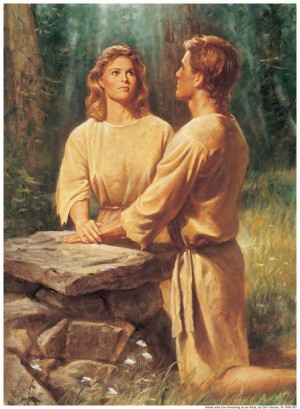
Mormons see Adam and Eve very differently than most of the Christian world. Rather than blaming Eve for all our problems, we celebrate her as the mother of all living and honor her for making the hardest choices. Through the scriptures of the restoration and modern revelation, we have learned more about these two first ancestors.

  • Share/Bookmark

Did God Create Man Because He Craves Worship?

Thursday, April 30th, 2009

God is perfect, and therefore, He does nothing out of ego. Every choice He makes is with our eternal well-being in mind.

  • Share/Bookmark

How Do Reason and Faith Work Together?

Wednesday, April 29th, 2009

The intellect is very important. God gave it to us and expects us to use it. We can take it with us when we die and the knowledge we gain in each stage of life will also go with us. However, the intellect is not the most important part of us, nor is it the source of absolute knowledge of truth.

  • Share/Bookmark

Why Don’t Mormons Pray to Mary or Have Statues of Her?

Tuesday, April 21st, 2009

<span style="font-family: Arial; font-size: small;”>Mormons do not pray to Mary. Statues are art, and, as with any other form of art, might be found in an individual building or home, usually in a nativity setting.

There are several aspects of Mormon beliefs that must be understood before this question can be

210

answered. The first is that Mormon beliefs do not include the trinity. While they believe in God, Jesus, and in the Holy Ghost, they do not teach that they are the same being. They are three very distinct beings, wholly unified in purpose. For more on this, please read:

How Could Jesus Pray to Himself?

The second important point of Mormon doctrine is that we lived with God before we were born. God created our spirits and we lived with Him for a time before coming to earth.

Read more about this:

The Purpose of Life

These two teachings are important because they explain why we don’t feel we need to pray to Mary in order to get God’s attention. It is sometimes explained that if we’re in a noisy room, we will notice, despite the din, the voice of someone we know and love. This is why some people pray to Mary-because when billions are praying, Jesus will hear His mother’s voice. However, Mormons believe God can hear their voice anyway, because we are very literally His children and He loves us and knows us.

Toddlers are taught, in their very first church class, this little rhyme:

Heavenly Father knows me
And what I like to do.
He knows my name and where I live.
I know He loves me, too.

Mormons believe this, and believe God knows them and loves them enough to recognize and notice their voices, and that He can hear and answer every prayer, no matter how many are coming through at any one time. This is a part of His divinity.

Mormons pray to God through Jesus Christ. Jesus was given the role of Intercessor by God. When Jesus Christ offered the Intercessory Prayer, we saw how He was able to pray on our behalf to the Father.

Several scriptures in the Bible promote Jesus’ role as our advocate or intercessor, including Timothy’s explanation that there is only one mediator:

5 For there is one God, and one mediator between God and men, the man Christ Jesus; (1 Timothy 2)

Mary is very important in Mormon theology. Mormons believe she was chosen for her role as the mother of the Savior prior to her birth, and that her mission was foretold by prophets. Isaiah said, “14 Therefore the Lord himself shall give you a sign; Behold, a virgin shall conceive, and bear a son, and shall call his name Immanuel.” Isaiah 7:14

The Book of Mormon also foretells Mary. Both Lehi and his son Nephi, the first two Book of Mormon prophets, saw Mary in visions and knew she would be the mother of God’s only begotten Son.

“As there is only one Christ, so there is only one Mary. And as the Father chose the most noble and righteous of all his spirit sons to come into mortality as his Only Begotten in the flesh, so we may confidently conclude that he selected the most worthy and spiritually talented of all his spirit daughters to be the mortal mother of his Eternal Son.” (Bruce R. McConkie, Doctrinal New Testament Commentary, Bookcraft, Inc., 1965, vol. 1, p. 85.)

We know that Mary had lived a highly moral life in order to be allowed to carry out this great assignment. We can presume she was intelligent and her responses to her calling tell us she knew the scriptures well.

Jesus came to earth as a baby, not a grown man. He did not begin with a full knowledge of who He was or a complete memory of His life prior to His birth. It would have been Mary’s role to train Him in the ways of life and to help Him become the type of person who could and would carry out His eternally significant mission. We can, therefore, presume she was a wise and capable parent, and that she never lost sight of her role in God’s plan for the earth.

For these reasons, and because of the tremendous sacrifices she made and the suffering she endured as she witnessed the treatment and death of her firstborn Son, Mormons honor Mary.

She is often used as an example of a woman of faith, sacrifice, and obedience. In lessons on motherhood, she is usually the first example offered. Mormons look to her to show them the way to live their own lives, but their relationship with God is a direct one. Mormons pray to God, through Jesus. They don’t feel the need to ask someone else to intervene on their behalf, because they believe God loves them enough to hear them. While they might ask friends to pray for them, this does not replace praying to God themselves. Being prayed for by others helps us to connect to one another, but even if only one person prayed for himself, that pray would be heard and answered.

Some have asked if we have statues of Mary. Mormon chapels do not have artwork of any kind in the actual chapel where the service is held. The chapels are extremely simple and free of any decoration except for occasional flowers. However, the buildings-hallways, offices, and classrooms– do have paintings, and some have statues. The statues serve only as decoration and are not used in any way in the worship services. They serve only as teaching aids or reminders of important aspects of gospel teaching.

Art plays an important part in Mormon life as a tool for teaching. Teachers are encouraged to use it to help emphasize aspects of the story or principle being taught, to hold attention, or to invoke important thoughts or feelings. Mormons do not pray to statues or make use of them as part of their services, however. They are simply decorations or teaching tools. Statues of Mary are most often shown in context with her mission on earth as Jesus’ mother.

  • Share/Bookmark

Are Mormons Polytheists?

Saturday, March 28th, 2009

Question: It seems that Christians are polytheists, worshiping three Gods. Do Mormons believe in one God?

A polytheist is someone who worships multiple gods. Generally, polytheism refers to a group of gods each working independently of one another and often, in the case of hard polytheism, in conflict with one another.

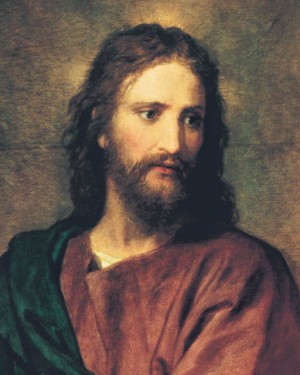
christusMormons believe there are three Gods, but who function as an entirely unified body. Together, they form the Godhead and fulfill the complete mission of God. The Supreme God is God the Father. He is generally the One the Christian Bible refers to when it speaks of God, although in some cases, including in the Book of Genesis, Jesus is referred to as God during the creation of the world. Mormons teach that God’s Son created the earth, under the direction of God the Father. However, it is God the Father that Mormons call God and worship as such. He is the one they consider their Heavenly Father, while Jesus is their brother, the Son of God.

Mormons teach that God the Father is the Father of all things and is male, while the Jewish people teach that God does not have gender. He created the spirits of everyone who ever lived and oversees everything that happens, ruling over Heaven and Earth. We teach that He is very literally our Father, and view Him as a loving, caring Father who watches over His children and wants them to return home to Him.

Jesus is the Messiah, but not the Jewish Moshiach. While many Jewish people believe there will one day be a Messiah, they are watching for a political leader. The Jewish Moshiach is not a god, but a fully mortal human being. Mormons teach that Jesus had a mortal mother, Mary, but that God was very literally His Father. Jesus was His firstborn-the first spirit to be created, and was begotten of the Father. This gave Him a combination of the mortal and the divine, which was essential for him to be able to carry out the task He had undertaken, to live on earth as a mortal, and then to die, but only by His own choice. Mormons teach that no one could take the Messiah’s life from Him; He could only choose to give it.

Mormons teach that the Messiah’s mission was a spiritual one, with hearts won in a spiritual fashion. When He comes the second time, this is when He will rule over the world and be recognized as the Messiah by all, but again, it will be accomplished by spiritual means, not political or military ones.

The third member of the Godhead is the Holy Ghost. The New Testament in the Christian Bible tells of Jesus promising his disciples, in His final days, to send a comforter to them after He was gone. This is the Holy Ghost. This third personage in the Godhead does not have a perfected body of flesh and bone, as do God and Jesus. He is a Spirit. His role is to teach truth to those who are willing to hear it.

Jesus and the Holy Ghost honor God the Father and do only His will. They completely subject their own will for His and give Him the honor for all that happens. This is the meaning of the Christian Bible’s statement that God and Jesus are one. They are entirely unified in every way.

While the Mormons do teach there are three Gods, these are Gods working in perfect harmony, not at cross purposes, to carry out the work of God the Father for His children. It is God the Father who is worshipped as God.

  • Share/Bookmark

Can you have faith and still believe in science?

Monday, February 23rd, 2009

Personal Response by Bethany

Yes!  You can have faith and still believe in science.  The scriptures clearly and repeatedly verify that God is the Creator of the earth, the heavens, and all things that are in them.  They also attest that the elements of which the earth consists of are eternal.  As a current biology major I am constantly tying science and religion together as I continually study the science of life and its spiritual connection with religion.  As I increase my studies, my faith also increases as I see the hand of God in every aspect of life.

Elder Henry B. Eyring of the Church of Jesus Christ of Latter-day Saints stated that, “the essence of the gospel is the doctrine of trying…and that, of course, is the essence of science, also: the doctrine of trying, testing, and proving.  That’s the kind of procedure that makes science what it is.”  The point is that the gospel teaches us to experiment with the words of the Savior and to do as a scientist would do to find the truth.

  • Share/Bookmark